
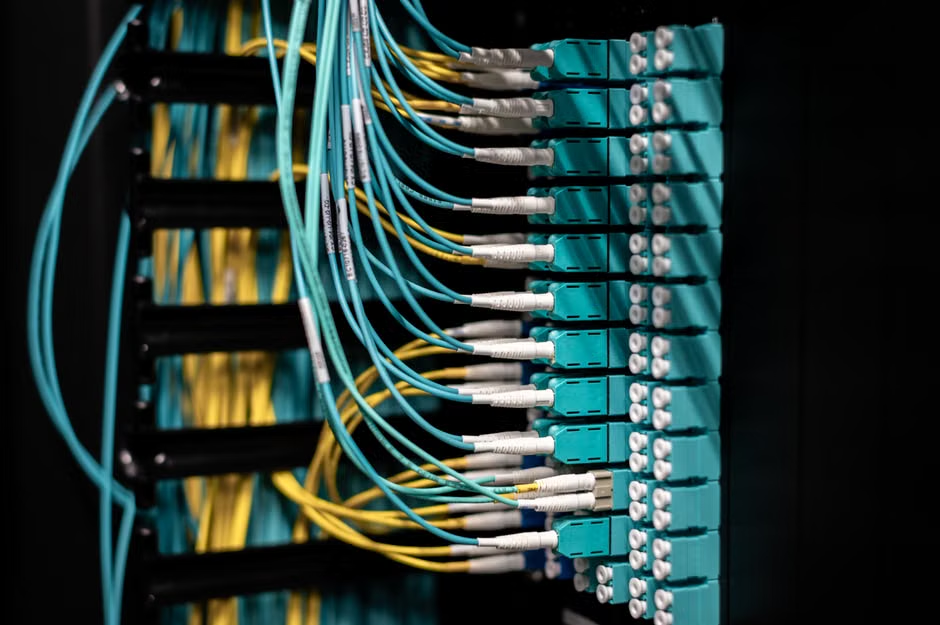
Security systems today rely on a robust network backbone. Video surveillance, access control, and alarm monitoring all transmit data over copper or fiber cabling. For Michigan businesses, investing in a professional structured cabling system means ensuring that those systems operate reliably, scale easily, and support future upgrades. Whether you operate a manufacturing facility in Detroit, a warehouse in Grand Rapids, or a commercial office in Ann Arbor, the cabling infrastructure under your floors and behind your walls determines how well your security technology performs.

Why Structured Cabling Matters for Security Systems
A structured cabling system is a set of cabling and connectivity products that integrates the voice, data, video, and various management systems of a building. Instead of running separate, ad‑hoc cables for each camera, card reader, and sensor, a structured approach centralizes everything into a managed network. This reduces clutter, simplifies troubleshooting, and makes it easier to add or move devices. For security systems, structured cabling ensures that multiple cameras can connect to your surveillance system without signal degradation, providing comprehensive coverage throughout your facility. It also supports Power over Ethernet (PoE), which lets a single cable carry both data and power to IP cameras and access control panels.
Core Components of a Structured Cabling System
A complete structured cabling includes several standardized elements. Based on industry practice and what Michigan integrators commonly install, the system typically includes:
- Copper horizontal cabling (Cat 5e, Cat 6, and Augmented Cat 6)
- Fiber optic backbone cabling for longer distances and higher bandwidth
- Patch panels, racks, and cabinets to organize terminations
- Pathways such as conduit, cable trays, and raceways
- Grounding and bonding to protect equipment and personnel
- IDF (Intermediate Distribution Frame) and MDF (Main Distribution Frame) buildouts to distribute signals throughout a building
These components work together to create a unified infrastructure that supports not only security systems but also voice, data, and enterprise WiFi. Proper cable selection, clear labeling, and professional installation help future‑proof your facility and pay back over time.

Choosing the Right Cable for Your Security Needs
Most modern security systems, especially IP cameras and PoE‑powered access control, run on Cat 6 or Cat 6A cabling. Cat 6 supports data rates up to 10 Gbps over shorter distances and is widely used for video surveillance in offices and warehouses. Cat 6A (Augmented Cat 6) offers better shielding and supports 10 Gbps up to 100 meters, making it a strong choice for environments with electrical noise. For long runs between buildings or across large campuses, fiber optic cabling is preferred because it is immune to electromagnetic interference and can carry signals over thousands of feet. Many Michigan integrators also install shielded cabling in industrial settings to protect against interference from heavy machinery.
Finding Professional Structured Cabling Services in Michigan
Michigan has a number of certified structured cabling contractors that serve the entire state, from Detroit to Grand Rapids, Ann Arbor to Lansing. When selecting a provider, look for a company that is licensed, bonded, and insured, and that has experience with security system infrastructure. Many firms offer free site assessments and can recommend the right cable category, pathway design, and termination method for your facility. Some contractors specialize in low‑voltage wiring and have been serving Metro Detroit since 2000. Others cover the entire Great Lakes region, including Ohio and Indiana. Regardless of location, a professional installer will ensure that your cabling meets industry standards and passes certification testing.

The Installation Process: What Michigan Businesses Should Expect
A typical structured cabling project begins with a site survey. The contractor will map out existing pathways, identify where cameras and access points will be placed, and determine the best routing for cables. After that, they install the backbone: pulling fiber or copper from the MDF to IDFs, mounting patch panels and racks, and terminating each cable. Clear labeling is a critical step, every cable should be documented so that future technicians can trace circuits. Finally, the system is tested to verify performance. For security systems, this includes checking that PoE provides adequate power and that data transmission meets the required speed and latency. Many Michigan contractors offer 24‑hour emergency service and can respond quickly if an issue arises.
Future‑Proofing Your Security Infrastructure
As security technology advances, higher‑resolution cameras and more sophisticated access control systems demand greater bandwidth. Investing in structured cabling today means you can upgrade equipment later without ripping out walls or running new cables. Many Michigan businesses choose to install Cat 6A or fiber optic backbone even if current needs are modest, because the incremental cost is small compared to the cost of retrofitting. A well‑planned structured cabling system also supports other building systems, Wi‑Fi access points, IoT sensors, and building automation, so your investment pays off across multiple areas. Choosing a contractor that emphasizes proper cable selection, labeling, and testing helps ensure that your infrastructure remains reliable for years.
Frequently Asked Questions
What is structured cabling for security systems?
Structured cabling is a standardized infrastructure of cables, connectors, and hardware that supports all of a building’s communication systems, including video surveillance, access control, and alarm monitoring. Instead of running separate cables for each device, a structured cabling system integrates everything into a managed network, making installation, maintenance, and expansion simpler and more reliable.
Do I need Cat 6 or fiber optic cable for my security cameras?
The choice depends on distance and environment. For cameras within 100 meters of the switch, Cat 6 or Cat 6A is sufficient and supports Power over Ethernet. If cameras are located in separate buildings or require runs longer than 100 meters, fiber optic cable is the better option. Many Michigan facilities use a combination: fiber backbone between IDFs and copper horizontal runs to individual cameras.
How long does a structured cabling installation take for a typical commercial facility?
Project timelines vary based on the size of the building and the number of devices. A small office might be completed in a few days, while a large warehouse or multi‑floor commercial building could take several weeks. A professional contractor will provide a timeline during the free site assessment. Most integrators coordinate with your operations to minimize disruption.
Can structured cabling support both my security system and my business IT network?
Yes. A properly designed structured cabling system can carry all data services over the same physical infrastructure. By using separate logical networks (VLANs), security traffic can be isolated from employee data traffic on the same cables. This simplifies management and reduces costs compared to running completely separate cabling for each system.
Why should I hire a certified structured cabling contractor in Michigan?
Certified contractors ensure that your cabling meets industry standards for performance and safety. They have the proper tools for termination and testing, and they can provide documentation that the installation passes certification. Michigan building codes and insurance requirements may also mandate licensed low‑voltage work. Contractors serving the state since 2000 have deep knowledge of local conditions and regulations.
For Michigan businesses looking to upgrade or install a new security system, starting with a well‑planned structured cabling foundation is the smartest move. Working with an experienced integrator who understands both security technology and network infrastructure will save time, reduce headaches, and keep your facility protected as technology evolves.