
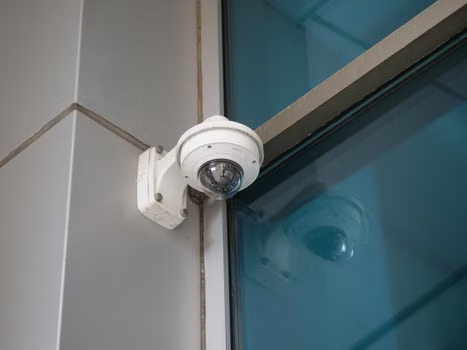
Commercial Security System Maintenance in Michigan: Keeping Your Systems Reliable
Security cameras, access control systems, intercoms, and monitoring equipment are installed for one basic reason: they need to work when something happens. Yet commercial security equipment often operates quietly in the background for months or years, which makes it easy to assume that a system is functioning simply because no obvious problem has appeared.
That assumption can create significant gaps in security.
A camera can remain online while recording an image too poor to identify a person or vehicle. An access control reader can accept a credential even though the door does not consistently secure behind the employee. A recorder can display live video while failing to retain the amount of footage a company expects. Problems with cabling, power, networking, storage, and software can also develop gradually without producing an obvious system-wide failure.
Commercial security system maintenance gives Michigan businesses a way to find these problems before they are discovered during an actual incident. More importantly, regular maintenance helps ensure that a security system continues to match the facility it was originally designed to protect.
Why Commercial Security Systems Change Over Time
 A security system is designed around a facility as it exists at the time of installation. Cameras are positioned to cover particular entrances, parking areas, production spaces, loading docks, or restricted areas. Access permissions reflect the employees and departments using the building. Recording capacity is calculated according to the number and resolution of the cameras being installed.
But commercial properties rarely remain unchanged.
A warehouse may rearrange inventory and inadvertently obstruct an important camera view. A manufacturer may install equipment that changes traffic patterns through the facility. An office may add employees or convert an area to restricted access. Companies also replace network equipment, modify firewalls, add cameras, change internet providers, and expand existing systems.
Maintenance therefore needs to consider more than the physical condition of the equipment. A camera can work perfectly and still be pointed at an area that is no longer important. An access control system can operate exactly as programmed while continuing to give credentials to people who no longer need them.
Periodic system reviews help determine whether the security infrastructure still reflects the way the property actually operates.
Video Surveillance Maintenance Is More Than Cleaning Cameras
Modern commercial video surveillance systems can include cameras, network switches, structured cabling, video management software, recording servers, storage devices, analytics, and remote monitoring connections. A problem anywhere along that chain can affect the reliability of the video being produced or stored.
Physical camera inspection is still important. Lenses and housings become dirty, mounts loosen, and outdoor cameras are exposed to weather. Michigan’s temperature swings, snow, ice, moisture, wind, and repeated freeze-thaw cycles can be especially hard on exterior equipment.
Image quality also needs to be evaluated rather than simply confirming that a camera is online. A camera that looks fine during the day may become far less effective at night because of glare, insufficient lighting, infrared reflection, or changes in the surrounding environment.
A useful surveillance inspection may include:
- Checking camera positioning, focus, image clarity, and field of view
- Inspecting housings, mounts, cabling, power, and network connections
- Testing nighttime images and areas with difficult lighting
- Confirming that each camera is actually recording
- Reviewing storage capacity and expected retention periods
- Testing playback, footage retrieval, and video export
- Checking remote viewing and monitoring connections
The purpose is not simply to produce a checklist showing that every camera has power. It is to determine whether the video system could provide usable information if an incident occurred today.
Recording Problems Can Remain Hidden
One of the more serious surveillance problems is also one of the easiest to overlook.
Live video and recorded video are not the same thing.
Employees may regularly view cameras from a workstation or mobile device and reasonably assume that because the live feeds are functioning, footage is also being stored properly. Problems with hard drives, recording schedules, storage capacity, servers, or software can create gaps that are not discovered until historical footage is requested.
Storage requirements also change as systems expand. Adding cameras, moving to higher resolutions, increasing frame rates, or extending retention periods increases the amount of data the system needs to process and retain.
A recorder originally configured for a smaller surveillance system may eventually be asked to support substantially more equipment than it did when installed.
Maintenance provides an opportunity to compare what a business believes its system is recording with what is actually available.
Access Control Maintenance Goes All the Way to the Door
Access control presents a different maintenance challenge because electronic equipment must work together with physical doors and locking hardware.
A card reader flashing green does not necessarily mean the entrance is secure.
The credential has to communicate with the system, the controller has to process the request, the locking hardware has to release, and the door then has to close and secure correctly. Door contacts and request-to-exit devices may also be involved, while the software should create an accurate record of the event.
That complete sequence should be tested.
Electric strikes can wear. Door alignment can change. Closers can stop operating correctly. Backup batteries weaken. Readers and contacts can develop intermittent problems. A door that does not fully latch can undermine an otherwise functioning electronic access control system.
For high-traffic entrances, these components may operate hundreds of times during a normal business day. Maintenance should account for that physical wear rather than treating access control as a software-only system.
Access Permissions Need to Be Maintained Too
Not every security weakness involves broken equipment.
Employees leave companies. Contractors finish assignments. Vendors receive temporary access. Departments move between areas of a facility. Managers change responsibilities. Over several years, an access control database can accumulate permissions that no longer reflect the organization.
Periodic credential reviews can identify former employees who remain active, temporary credentials that were never removed, or users who have access to areas they no longer need.
This becomes particularly important for manufacturers, warehouses, offices, schools, government facilities, and multi-building campuses where different employees may require very different levels of access.
Physical security works best when the system reflects the current organization rather than preserving years of outdated permissions.
Network Infrastructure Has Become Part of Physical Security
Commercial security systems have changed considerably from the days when cameras and door controls operated largely as isolated equipment.
IP cameras, network video recorders, access controllers, intercoms, monitoring systems, and management platforms increasingly depend on the underlying network. As a result, a security problem may originate somewhere that initially appears unrelated to security.
A replaced network switch can affect cameras. A firewall change can interrupt remote access. A damaged cable can produce intermittent video. Insufficient Power over Ethernet capacity can cause devices to behave unpredictably. Changes to IP addressing or network segmentation can prevent equipment from communicating with management software.
This overlap between physical security and IT infrastructure is especially important in larger commercial and industrial environments.
Troubleshooting a camera that repeatedly disconnects, for example, should not automatically end with replacing the camera. The real problem may be the cable, switch, power source, configuration, or network path connecting that device to the rest of the system.
Effective maintenance looks at the complete path rather than replacing components until the problem disappears.
Integrated Security Systems Have to Be Tested as a System
Many facilities now connect technologies that were once independent.
An access control event may automatically call up video from a nearby camera. A forced door can trigger an alert for security personnel. An intercom may allow an employee to view and communicate with a visitor before remotely granting entry. Remote video monitoring may combine live cameras, analytics, alarms, and predetermined response procedures.
These connections create a more useful security environment, but they also create dependencies.
Testing the camera separately from the access control system does not confirm that the integration between them still works.
During maintenance, technicians may need to generate actual events and verify the response from beginning to end. If a forced door is supposed to create an alert, display a specific camera, and notify designated personnel, all three actions should occur as expected.
That kind of testing provides a much better indication of system readiness than checking individual devices one at a time.
Michigan Conditions Can Accelerate Equipment Wear
The environment surrounding security equipment should influence how it is maintained.
Michigan exterior installations face temperature extremes, moisture, snow, ice, wind, road salt, and repeated freezing and thawing. Equipment around parking lots, gates, loading docks, and building entrances can receive considerably more environmental exposure than equipment installed inside an office.
Commercial and industrial interiors create their own problems. Warehouses may experience substantial temperature fluctuations. Manufacturing environments can introduce dust, vibration, grease, heat, and airborne contaminants. Loading areas frequently expose indoor equipment to outdoor conditions as large doors open throughout the day.
These conditions do not necessarily cause immediate equipment failure. More often, they contribute to gradual deterioration.
Maintenance schedules should therefore reflect where equipment is installed and how critical it is to the facility. A camera in a climate-controlled hallway does not necessarily require the same attention as one overlooking a busy industrial loading area.
Signs a Security System May Need Attention
Some problems will only be discovered during an inspection, but others produce warning signs before a complete failure occurs. Employees and facility managers should pay attention when cameras repeatedly go offline, video becomes blurry or unusually dark, recorded footage contains unexplained gaps, or remote viewing begins disconnecting frequently.
Access control can produce similar clues. Employees needing multiple attempts to open a door, locks that engage inconsistently, frequent false door alarms, or credentials that work only intermittently can indicate developing equipment or communication problems.
Recurring issues are particularly important. Continually rebooting or resetting the same device may temporarily restore operation without addressing the underlying cause.
A repeated failure deserves investigation into power, cabling, networking, configuration, hardware condition, and the environment surrounding the equipment.
Maintenance Helps Businesses Plan for Aging Equipment
Security equipment is not intended to remain in service forever.
Eventually manufacturers discontinue hardware. Replacement parts become harder to find. Older software becomes incompatible with newer operating systems. Firmware support ends, and a system that was once easy to repair becomes increasingly difficult to maintain.
Businesses do not necessarily need to replace an entire security system because one component has aged. Existing cameras, cabling, network infrastructure, or access control hardware may still have years of useful service remaining.
A maintenance program can help distinguish between equipment worth maintaining and technology approaching the point where replacement should be planned.
That gives businesses time to budget for upgrades, prioritize the most important areas, and modernize systems in phases when appropriate. Planned modernization is generally much easier to manage than discovering after a critical failure that replacement hardware is no longer available.
Preventive Maintenance Versus Waiting for a Failure
Security equipment can be maintained reactively or proactively.
Reactive service begins when someone notices a problem. The camera is already offline, the door is already malfunctioning, or the recorder has already stopped storing footage.
Preventive maintenance attempts to identify those conditions earlier.
Not every equipment failure can be predicted, but many common security problems develop gradually. Loose connections, declining storage devices, weak batteries, dirty cameras, deteriorating cabling, environmental damage, and outdated configurations can often be found before they produce a complete outage.
The advantage is not merely avoiding repair costs. It reduces the amount of time a business unknowingly operates with weakened security.
Maintenance and Remote Video Monitoring Work Together
Remote video monitoring provides active oversight of a property, while maintenance keeps the technology supporting that oversight functioning correctly.
The distinction matters.
A trained monitoring professional may be able to recognize suspicious activity and respond according to a business’s established procedures, but that person still depends on functioning cameras, networks, and communications. If a camera has shifted position or repeatedly loses connectivity, the ability to monitor that area is reduced.
The relationship can work in the other direction as well. Because remotely monitored systems are being observed regularly, certain technical problems may become apparent sooner than they would on a system that is rarely viewed.
Neither service replaces the other. Monitoring addresses what is happening at the property; maintenance addresses whether the technology used to observe and control the property remains dependable.
What Businesses Should Look for in a Maintenance Partner
Commercial security maintenance increasingly requires expertise across several technologies.
A provider may need to understand cameras and recording equipment one moment and troubleshoot cabling, network connectivity, access control, servers, or integrated software the next. That is particularly true for facilities where security technology has expanded over many years.
Businesses evaluating ongoing support should consider whether a provider can:
- Service the different security technologies already installed at the facility
- Diagnose networking and low-voltage infrastructure problems
- Support integrated video and access control environments
- Document recurring failures and system changes
- Identify aging or unsupported equipment before it becomes an emergency
- Provide recommendations based on the operation of the facility rather than simply replacing individual devices
Good maintenance should ultimately give a business a clearer understanding of the condition of its security infrastructure.
Commercial Security System Maintenance in Michigan
Eclipse Business Consultants has worked with commercial and industrial technology systems in Michigan since 1990. Its work includes video surveillance, remote video monitoring, access control, low-voltage cabling, network infrastructure, intercom systems, and integrated technology solutions.
That broader technical experience matters because modern physical security no longer begins and ends with cameras and locks. The equipment protecting a facility increasingly depends on networks, communications, software, storage, power, and integrations between multiple systems.
For warehouses, manufacturing facilities, offices, schools, government properties, and multi-building campuses, maintaining that infrastructure should be an ongoing part of the security strategy.
The goal is not simply to keep equipment running for as long as possible. It is to know that cameras are capturing useful video, footage is actually being recorded, doors are securing properly, credentials reflect current employees, and integrated systems respond the way they were designed to respond.
When an incident occurs, that is when a business discovers whether its security system has truly been maintained.