
Commercial Access Control Systems Detroit 2026 Facility Security
Detroit businesses that manage manufacturing plants, offices, healthcare facilities, or warehouses face a common challenge: controlling who enters the building while keeping operations running smoothly. Commercial access control systems have become a standard tool for meeting that challenge. Rather than relying on traditional keys and locks, modern access control allows facility managers to grant or deny entry electronically, track movement, and update permissions instantly. As 2026 approaches, the range of available solutions continues to expand, and Detroit facility owners have several strong options to consider.
What Commercial Access Control Systems Provide
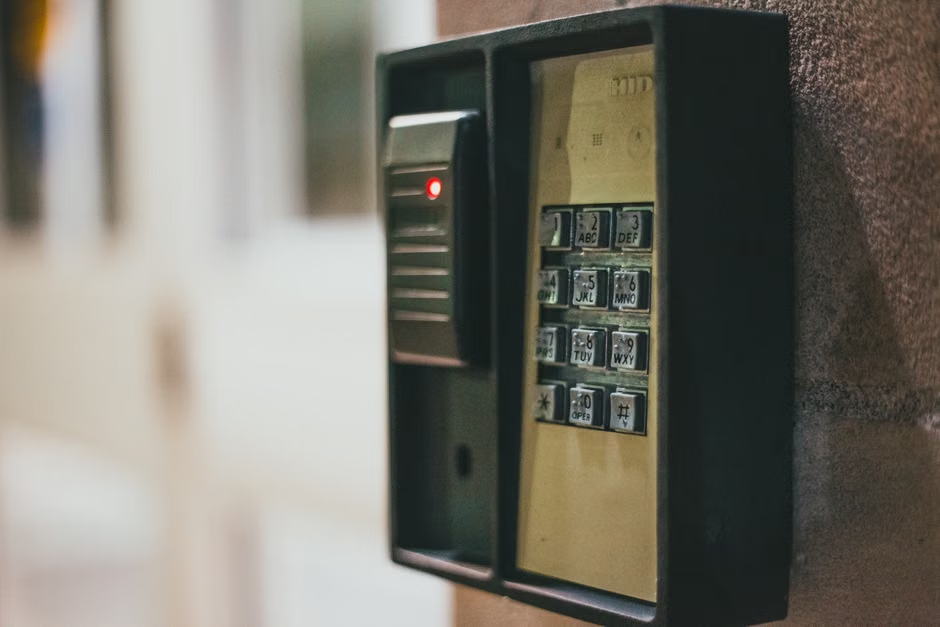
Access control systems give businesses the ability to manage entry points across a property. Instead of issuing physical keys that can be copied or lost, an electronic access control system uses credentials such as key cards, key fobs, PIN codes, mobile credentials, or biometric identifiers. These credentials are linked to a central software platform where administrators can assign access rights by person, by time of day, or by specific door. If an employee leaves the company or a credential is lost, the administrator can deactivate it remotely without rekeying locks or replacing hardware.
For Detroit facilities, a professional access control system installation typically includes card readers, keypads, electric strikes, magnetic locks, and the controller hardware that communicates with the software. Modern systems also integrate with video surveillance, intrusion detection, and visitor management platforms to create a unified security ecosystem. Companies such as Security 101 provide solutions that combine these capabilities, offering Detroit businesses a single-vendor approach to access control, video surveillance, intrusion detection, visitor management, and integrated systems.
Leading Access Control Solutions for Detroit Facilities
Several access control platforms have gained attention in the Detroit market. Each offers different strengths depending on the facility type, number of users, and required features.
Avigilon Alta
Avigilon Alta is recognized as one of the best access control solutions for Detroit commercial spaces. The platform combines cloud-based management with on-site hardware to deliver a system that is both scalable and secure. Facility administrators can manage permissions remotely, review entry logs, and receive real-time alerts. Avigilon Alta works well for organizations that want a unified approach to security, especially those that already use Avigilon video surveillance cameras, since the two systems can share a common interface.
ButterflyMX Suite
For properties that need a visitor-friendly entry experience, the ButterflyMX suite stands out as a top choice. The system includes a video intercom, RFID tags, and elevator controls. Visitors can use the video intercom to call tenants or staff, who can then unlock doors from a smartphone app. This setup is particularly popular in multi-tenant buildings, office complexes, and residential commercial properties where delivery drivers, guests, and service providers need temporary entry. ButterflyMX reports that it is used by more than one million people and is trusted by real estate organizations including Lincoln Property Company, Lennar, Bozzuto, and CA Ventures.
Traditional Card, Keypad, and Biometric Systems
Many Detroit businesses still prefer established credential-based systems. Wolverine Low Voltage provides professional access control installation across Michigan’s Lower Peninsula, focusing on card reader, keypad, mobile credential, and biometric solutions. These systems serve offices, industrial sites, schools, medical facilities, and multi-tenant buildings. Biometric readers, which use fingerprints or other unique physical characteristics, add an extra layer of security for sensitive areas. Keypad entry remains a cost effective option for low traffic doors, while card readers and key fobs balance convenience with security for daily employee access.

Mobile Credential and Smartphone Access
Smartphone door access systems are becoming more common in Detroit commercial buildings. Instead of carrying a separate card or fob, employees use an app on their phone to unlock doors. The phone communicates with the reader via Bluetooth or near field communication. Administrators can issue and revoke digital credentials instantly, which eliminates the delay of programming physical cards. Mobile credentials also reduce the cost of replacing lost or damaged cards. For facilities that already require employees to carry smartphones for communication or productivity, this approach simplifies the daily entry process.
Industries and Facility Types That Benefit
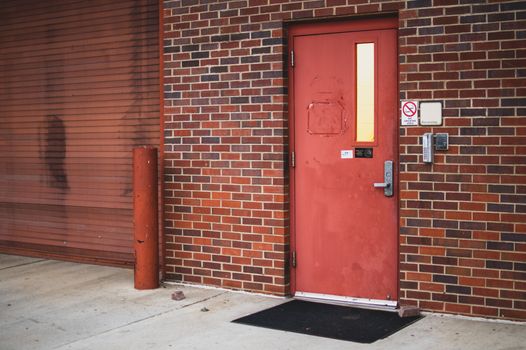
Access control systems are deployed across a wide range of commercial environments in Detroit. Manufacturing facilities use them to secure production floors, tool rooms, and loading docks. Offices rely on access control to protect sensitive data areas, server rooms, and executive suites. Healthcare facilities need to restrict access to patient records, medication storage, and treatment areas. Warehouses use access control to monitor shipping and receiving doors and to prevent unauthorized entry to inventory areas. Educational institutions and government organizations also depend on these systems to keep students, staff, and visitors safe.
Integration with Other Security Systems
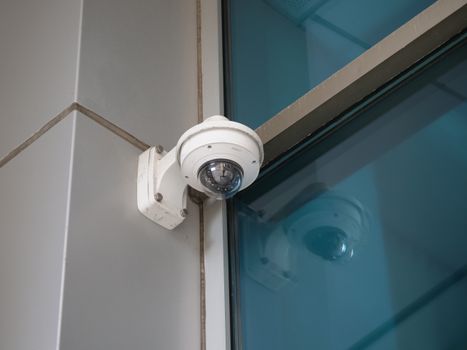
A modern access control system rarely operates in isolation. Detroit commercial security providers increasingly integrate access control with video surveillance, intrusion detection, and visitor management platforms. When an unauthorized entry attempt occurs, the access control system can trigger a nearby camera to begin recording and send an alert to security personnel. Visitor management modules allow reception staff to pre register guests, print temporary badges, and grant time limited access to specific doors. This level of integration creates a more responsive security posture than standalone systems can provide.
Security 101, for example, covers access control, video surveillance, intrusion detection, visitor management, and integrated solutions for Detroit area businesses. By working with an integrator that understands multiple security disciplines, facility managers can avoid the complexity of maintaining separate systems from different vendors.
Professional Installation and Maintenance
The quality of an access control system depends heavily on proper installation. A poorly positioned reader, a misaligned strike, or an incorrectly configured controller can undermine the security of the entire system. Professional commercial access control systems installation in Michigan involves site surveys, door preparation, wiring, programming, and testing. Companies like CertaSite deliver professional installation designed to safeguard buildings, manage access points, and give facility owners peace of mind. Similarly, Wolverine Low Voltage designs and installs solutions for Michigan businesses, ensuring that each door operates reliably and that the software is configured to match the facility’s access policies.
For Detroit businesses searching for installation services, the top rated providers include R A Communications, which offers security systems, TV mounting, and IT services and computer repair. Checking local listings and reading reviews can help facility managers identify a qualified installer who understands the specific requirements of their building.
Selecting the Right System for Your Detroit Facility
Choosing an access control system begins with a clear understanding of the facility’s needs. How many doors need to be secured? How many employees or visitors will use the system daily? What types of credentials are most convenient for the workforce? Does the facility require integration with existing video surveillance or alarm systems? Answering these questions helps narrow the field of potential solutions.
Cloud based systems offer flexibility and remote management, while on premises systems provide full control over data and network traffic. Some facilities benefit from a hybrid approach. Facility managers in Detroit should work with a local integrator who can assess the building’s physical layout, recommend appropriate hardware, and provide ongoing support. Because security threats and business operations evolve, the best access control system is one that can grow and adapt over time.
Frequently Asked Questions
How much does a commercial access control system cost in Detroit?
Costs vary based on the number of doors, type of credentials, hardware brand, and complexity of installation. A basic system for a few doors may cost several thousand dollars, while a large facility with dozens of access points and integrated video can cost significantly more. The best approach is to request quotes from multiple Detroit area installers for a customized estimate.
Can I add access control to an existing door without replacing the lock?
Yes, many commercial doors can be retrofitted with an electric strike or magnetic lock that works with the existing hardware. A professional installer can evaluate the door type, frame, and power requirements to determine the best retrofit solution. In most cases, no major door replacement is needed.
What happens if the internet goes down with a cloud based system?
Most cloud based access control systems store permissions locally on the door controller. If the internet connection is lost, the system continues to operate and grant access based on the last set of credentials it received. Once the connection is restored, event logs synchronize with the cloud platform.
Do access control systems work with mobile phones?
Many modern systems support mobile credentials that let employees unlock doors using a smartphone app. The phone communicates with the door reader via Bluetooth or near field communication. Mobile credentials can be issued and revoked instantly, making them a flexible option for facilities with high employee turnover or frequent visitors.
How do I choose between key cards, key fobs, and biometric readers?
The choice depends on your security requirements and user convenience. Key cards and key fobs are inexpensive and easy to replace, making them suitable for most employees. Biometric readers provide higher security for sensitive areas. Many facilities combine credential types, using key cards for general entry and biometrics for server rooms or restricted zones.